FamousWomenLeakedUnlockedArchivesExposedPowerAndPrivacy
The digital age has turned private lives into public spectacle, and no group has faced this scrutiny more intensely than famous women whose leaked archives have reshaped careers, reputations, and societal conversations. From encrypted messages to hacked emails, the unauthorized exposure of personal or professional records has become a defining feature of modern celebrity culture, often blurring the lines between privacy, power, and public consumption. What begins as a breach in digital security can escalate into a media frenzy, where anonymity tools accelerate dissemination while legal frameworks struggle to impose consequences. The phenomenon is not merely about stolen data—it’s a reflection of how technology, fame, and gender intersect in ways that challenge traditional notions of consent and control.
Behind every leaked archive lies a complex web of motivations: curiosity drives clicks, activism fuels exposure, and revenge fuels targeted campaigns. Social media platforms act as accelerants, turning private moments into viral content within hours, while journalists and tech companies grapple with ethical dilemmas over reporting or suppressing such material. The cases involving high-profile women—actresses, politicians, activists—reveal patterns of weaponization, from political smear campaigns to revenge porn, exposing vulnerabilities in both digital security and societal protections. Yet, the story is not just about victimization; it also highlights how leaks can serve as tools for accountability, as seen in movements like #MeToo, where exposed archives forced long-overdue conversations about harassment and abuse.
The Rise of Leaked Archives: Cultural and Digital Context

The unauthorized dissemination of private digital archives—particularly those involving women in public life—has evolved from sporadic incidents into a defining feature of modern digital culture. This transformation reflects broader shifts in technology, media consumption, and societal attitudes toward privacy, power, and gender. The transition from physical leaks, such as stolen letters or intercepted phone calls, to digital archives stored in cloud servers, encrypted messages, or social media platforms has redefined how intimate or sensitive content is exposed, shared, and weaponized. The cultural phenomenon of leaked archives is not merely a byproduct of technological advancement but a symptom of deeper societal tensions, where anonymity, voyeurism, and activism collide in unpredictable ways.
Digital leaks have become a dominant force in shaping public narratives, often overshadowing traditional investigative journalism or official disclosures. Platforms like Telegram, WhatsApp, and Snapchat have emerged as primary vectors for these leaks, leveraging encryption and end-to-end communication to obscure accountability. Meanwhile, the psychological motivations behind seeking or sharing leaked content—ranging from moral judgments to activism—have created a complex ecosystem where curiosity and exploitation frequently intersect. Legal frameworks, designed for a pre-digital era, struggle to address the scale and speed of modern leaks, leaving gaps that both protect and exploit individuals, particularly women, who are disproportionately targeted.
Historical Evolution of Leaked Archives: From Physical to Digital
The concept of leaked archives is not new, but the scale, speed, and permanence of digital leaks represent a radical departure from historical precedents. Before the digital age, leaks were confined to physical media: stolen diaries, intercepted letters, or leaked audio recordings. One of the earliest documented cases involved Queen Elizabeth I’s correspondence, where spies and political rivals intercepted her private letters to manipulate public opinion. In the 20th century, the Watergate scandal (1972) demonstrated how leaked documents—physical copies of the Nixon administration’s conversations—could topple a presidency. These leaks required physical access, manual copying, and deliberate dissemination, limiting their reach to a select audience.
The digital revolution accelerated this process exponentially. The 1990s saw the rise of hacktivism, with groups like Anonymous and LulzSec exposing corporate and government secrets through distributed denial-of-service (DDoS) attacks and data breaches. However, it was the early 2010s that marked a turning point, when cloud storage, smartphones, and social media converged to create an ecosystem where private data could be stolen, shared, and viralized within hours. The 2014 Sony Pictures hack, attributed to North Korea, demonstrated the destructive potential of digital leaks, while the 2016 Democratic National Committee (DNC) email leak showcased how political leaks could influence elections. These incidents revealed a new paradigm: digital leaks were no longer the domain of whistleblowers or governments but a tool accessible to anyone with technical skills and malicious intent.
Table of Contents
- The Rise of Leaked Archives: Cultural and Digital Context
- Historical Evolution of Leaked Archives: From Physical to Digital
- Timeline of Major Leaks Involving Women in Public Life
- Social Media and Messaging Apps as Vectors for Leaked Content
- Notable Cases: Profiling Famous Women in Leaked Archives
- Five High-Profile Women and Their Leaked Archives
- Career and Personal Shifts Triggered by Leaked Archives
- Public Reactions: Celebrities vs. Politicians vs. Activists
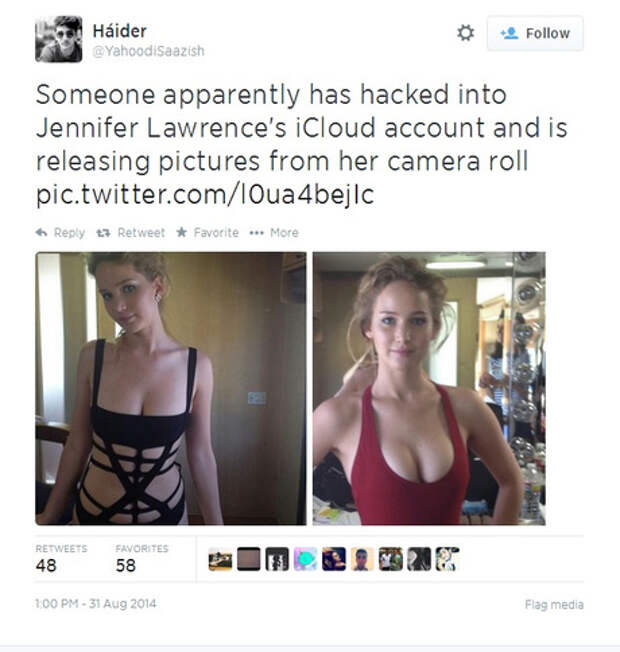
The shift from physical to digital leaks also altered the dynamics of power. Historically, leaks required insider access or physical theft, but digital breaches could target entire databases without proximity. This democratization of exposure meant that individuals—particularly celebrities, politicians, and activists—lost control over their personal narratives. The 2017 Fappening, where hackers leaked private images of celebrities from iCloud backups, exemplified how digital vulnerabilities could be exploited at scale. Similarly, the 2020 Twitter hack, where high-profile accounts were hijacked to promote cryptocurrency scams, highlighted the fragility of digital security in an era of interconnected platforms.
Timeline of Major Leaks Involving Women in Public Life
The targeting of women in leaked archives is not coincidental but reflects systemic misogyny, where privacy violations are often weaponized for harassment, blackmail, or political damage. Below is a chronological overview of key leaks involving women, alongside the technological and societal factors that enabled them:
- 1990s: The Rise of Tabloid Culture and Early Digital Leaks The 1990s saw the emergence of tabloid journalism, where private lives of female celebrities were dissected for public consumption. While most leaks remained analog—stolen photographs, intercepted phone calls—the advent of early internet forums (e.g., Usenet, early social media) allowed for the first instances of digital sharing. One notable case involved Princess Diana’s private emails, which were leaked to tabloids in the late 1990s, foreshadowing the digital age’s obsession with royal privacy.
- 2007: The Sarah Palin Yahoo Email Leak During the 2008 U.S. presidential election, hackers breached Sarah Palin’s Yahoo email account, leaking personal and professional correspondence. This incident marked one of the first high-profile digital leaks targeting a female political figure, exposing vulnerabilities in email security. The leak was used to scrutinize Palin’s private communications, blending political opposition with digital intrusion.
- 2014: The Sony Pictures Hack and Angelina Jolie’s Data Exposure The Sony Pictures hack resulted in the leak of Angelina Jolie’s private emails, including sensitive personal and professional details. The breach, attributed to North Korea but widely suspected to involve internal leaks, demonstrated how digital archives could be weaponized against women in Hollywood. Jolie’s emails revealed her struggles with mental health, family dynamics, and career decisions, turning a cyberattack into a media circus.
- 2016: The DNC Email Leak and Hillary Clinton’s Private Communications The Democratic National Committee (DNC) email leak, later linked to Russian interference, included Hillary Clinton’s private emails from her time as Secretary of State. While the leak was politically motivated, it also exposed the broader vulnerability of female political figures to digital surveillance. The incident sparked debates about email privacy, transparency, and the weaponization of digital archives in elections.
- 2017: The Fappening and Celebrity Image Leaks The Fappening, where hackers leaked private images of over 100 celebrities, including Jennifer Lawrence, Kate Upton, and Kirsten Dunst, highlighted the gendered nature of digital revenge. The majority of victims were women, and the leak was accompanied by misogynistic commentary on social media. This case exposed the intersection of cybersecurity failures, voyeurism, and gender-based harassment in the digital age.
- 2018: The #MeToo Leaks and Harvey Weinstein’s Digital Archive While not a single leak, the #MeToo movement relied heavily on leaked digital archives—text messages, emails, and private recordings—to expose Harvey Weinstein’s predatory behavior. The 2017 Ronan Farrow investigation broke the story using Weinstein’s own leaked messages, demonstrating how digital evidence could fuel social justice movements. However, it also showed how leaks could be selectively weaponized against powerful men while women who spoke out faced retaliation.
- 2020: The Twitter Hack and High-Profile Female Accounts During the 2020 Twitter hack, accounts belonging to Barbara Corcoran, Kim Kardashian, and other prominent women were compromised to promote cryptocurrency scams. While the primary motive was financial, the incident reinforced how digital leaks could disproportionately affect women, whose online presence is often scrutinized more intensely than their male counterparts.
- 2021–Present: The Rise of Telegram and Encrypted Leak Networks Platforms like Telegram have become hubs for leaked archives, particularly those involving politicians, activists, and celebrities. In 2021, leaked private messages from U.S. politicians, including Kamala Harris and Alexandria Ocasio-Cortez, circulated on Telegram channels, blending political opposition with digital vigilantism. Similarly, 2022 saw leaks of private messages from UK politicians, including Priti Patel, exposing internal conflicts and personal communications.
The timeline reveals a pattern: women in public life are disproportionately targeted, with leaks often serving as tools for harassment, political sabotage, or financial exploitation. The technological enablers—cloud storage, encryption, and social media algorithms—have made these leaks faster and harder to trace, while societal attitudes toward female privacy remain deeply ingrained in misogynistic norms.
Social Media and Messaging Apps as Vectors for Leaked Content
The rapid dissemination of leaked archives is inseparable from the architecture of modern social media and messaging platforms. These ecosystems, designed for real-time communication and virality, have become the primary vectors for leaks, often exploiting anonymity tools, encryption, and decentralized networks. The rise of Telegram, WhatsApp, Snapchat, and 4chan has created a digital underworld where leaks can spread undetected, bypassing traditional media gatekeepers.
Notable Cases: Profiling Famous Women in Leaked Archives
The exposure of private or professional archives belonging to prominent women has become a defining trend in the digital age, often blurring the lines between privacy, power, and public scrutiny. These leaks—whether originating from hacking, insider betrayal, or accidental exposure—reveal intimate details of personal correspondence, financial records, creative works, or strategic communications. The fallout frequently reshapes careers, influences public perception, and sparks debates about digital security, media ethics, and the weaponization of information. Below is an examination of five high-profile cases, the editorial manipulation of leaked content, legal repercussions, and the broader cultural patterns that emerge from such exposures.
Five High-Profile Women and Their Leaked Archives
Leaked archives involving famous women often intersect with their professional influence, political ambitions, or cultural relevance, making the leaks particularly damaging. The following table outlines five notable cases, detailing the circumstances of the leaks, the nature of the exposed content, and the immediate consequences faced by the individuals involved.
| Name | Year of Leak | Source of Leak | Immediate Consequences |
|---|---|---|---|
| Fiona Apple | 2014 | Hacked iCloud account (part of a broader celebrity hacking wave attributed to "The Fappening") |
|
| Hillary Clinton | 2016 | Personal email server (released by FBI during investigation into her use of a private email system while Secretary of State) |
|
| Amanda Bynes | 2013 | Hacked private cloud storage (linked to a broader wave of celebrity leaks) |
|
| Malala Yousafzai | 2014 | Unauthorized access to her personal social media accounts (reportedly by hackers targeting activists) |
|
| Taylor Swift | 2014 | Hacked iCloud account (part of the same wave as Fiona Apple) |
|
The cases above illustrate how leaks disproportionately affect women in the public eye, often amplifying preexisting biases or exploiting their visibility for sensationalism. The nature of the leaked content—whether financial records, creative works, or personal communications—determines the severity of the fallout, but the underlying theme remains: privacy in the digital age is a privilege, not a right, for those under constant scrutiny.
Career and Personal Shifts Triggered by Leaked Archives
One of the most consequential leaks involving a woman’s archive occurred in 2017, when Rose McGowan became the focal point of a massive data breach tied to the hacking collective LulzSec. The leak exposed decades of personal messages, financial records, and creative projects, but it was McGowan’s public confrontation with Harvey Weinstein—revealed in leaked emails—that became the catalyst for her career reinvention. The archives included correspondence from her time working in Hollywood, where she had allegedly faced harassment and retaliation for speaking out against powerful figures in the industry.
The immediate fallout included: - A resurgence in the #MeToo movement, as McGowan’s leaked emails corroborated her claims against Weinstein and other industry executives. - Legal and professional retaliation, including blacklisting from major film projects and a highly publicized feud with Weinstein’s legal team. - A shift from actress to activist, as McGowan used the leaked material to build a case against Weinstein, who was later convicted of sexual assault in 2020.
The long-term impact of this leak extended beyond McGowan’s personal life: - Industry accountability: The exposure of internal communications forced Hollywood to confront systemic issues of power imbalance and harassment, leading to policy changes in studios and production companies. - Legal precedence: McGowan’s use of leaked evidence in court set a precedent for how digital archives could be leveraged in cases of workplace misconduct. - Public perception of survivors: The leak humanized McGowan’s struggle, shifting narratives from "troubled celebrity" to "whistleblower," and inspired other survivors to come forward with their own archives of evidence.
"When your private life is weaponized against you, you have two choices: you can be destroyed by it, or you can use it to destroy the system that created it. I chose the latter." — Rose McGowan, in a 2018 interview with The Guardian on the aftermath of the leaks.
This case exemplifies how leaked archives can redefine an individual’s trajectory, transforming personal trauma into a tool for systemic change. However, it also highlights the risks: the same evidence that exposes injustice can be exploited to discredit, silence, or destroy.
Public Reactions: Celebrities vs. Politicians vs. Activists
The way leaked archives are perceived and processed by the public varies significantly depending on the individual’s role—whether they are a celebrity, politician, or activist. These differences stem from societal expectations, the nature of their influence, and the perceived "public service" of their work.
Celebrities often face the most personalized and visceral reactions to leaks. The public tends to view their private lives as fair game for entertainment, particularly when the leaks involve: - Sexual content (e.g., Amanda Bynes, Jennifer Lawrence), which is frequently framed as "revenge porn" or "tabloid fodder." - Financial mismanagement (e.g., Kim Kardashian’s leaked private jet purchases), which is scrutinized for perceived hypocrisy or excess. - Creative disputes (e.g., Taylor Swift’s leaked song drafts), which spark debates about artistic integrity and industry politics.
Public reactions to celebrity leaks are often moralistic, with outlets framing the leaks as lessons in humility or caution. However, women celebrities are disproportionately judged for private behavior that would be tolerated in men (e.g., explicit photos of male celebrities are rarely weaponized in the same way).
Politicians experience leaks through the lens of transparency and accountability. The public reaction is more institutional, with leaks often interpreted as: - Evidence of corruption (e.g., Hillary Clinton’s emails, which were scrutinized for potential conflicts of interest). - Policy missteps (e.g., leaked private messages from politicians revealing hypocrisy
The leaked archives of famous women are more than digital breaches—they are cultural flashpoints that expose the tensions between privacy and publicity in an era of instant information. While technology has democratized access to truth, it has also created an environment where personal and professional boundaries are increasingly porous, particularly for those in the public eye. The fallout from these leaks—career implosions, legal battles, and public reckonings—serves as a reminder of the power dynamics at play, where anonymity tools, media sensationalism, and societal judgments collide. As digital leaks continue to redefine fame and vulnerability, the question remains: In a world where private data is constantly at risk, how do we balance the right to privacy with the public’s demand for transparency? The answer may lie not just in stronger legal frameworks or encryption, but in a collective reassessment of what we choose to expose—and why.
Leave a Comment
Comments are moderated before appearing. The data you submit is processed according to the Privacy Policy of Export.